
- All
- Product Name
- Product Keyword
- Product Model
- Product Summary
- Product Description
- Multi Field Search


Views: 168 Author: Site Editor Publish Time: 2025-12-09 Origin: Site


Distributed solar is now creating the most jobs in the global energy sector employment. The numbers show this is true. In 2024, 76 million people worked in energy. Since 2019, solar made half of all new electricity jobs. Distributed solar contributed 310,000 new jobs in one year. This growth occurred due to increased electrification, effective government policies, and rapid expansion in new countries. When you look at the map of solar jobs, you see some challenges. There are not enough workers, and people need more training.
Distributed solar is making jobs faster than any other energy source. It made 310,000 new jobs in only one year.
Renewable energy jobs are growing quickly. Solar and wind are leading this growth. They give many chances for new jobs.
Training programs, like those from SKYLARK, are very important. They help people learn the skills needed for solar jobs. This helps you get into this fast-growing field.
The energy sector does not have enough skilled workers. This makes it a good time to learn and get a job in distributed solar.
Community solar projects and agrivoltaics give special job chances. They mix clean energy with local farming.
There are big changes in energy jobs around the world. Last year, millions of new energy jobs were added. Renewable energy jobs went up from 13.7 million in 2022 to 16.2 million in 2023. This is an 18.2% rise. China has the most renewable jobs with 7.4 million. That is almost half of all renewable jobs in the world. The European Union comes next with 1.8 million jobs. Brazil has 1.56 million jobs, and most are in biofuels. Africa only has 324,000 renewable jobs. This is low even though Africa has a lot of solar and wind.
Distributed solar is important for energy jobs around the world. This sector is growing fast and adding many jobs. Distributed solar made 374,000 new jobs, which is a 25% increase. This is 43% of all electric power generation jobs. Wind energy added 102,000 jobs. Fossil fuels gave 187,117 jobs. Now, there are more solar jobs than coal and nuclear jobs.
Distributed solar jobs need more workers. People must have skills for installing and fixing solar systems.
Solar power is growing fast in many places. This means more chances for you and your community.
Companies like SKYLARK help by giving new solar products and training.
You can see that most new energy jobs are in solar and wind. The energy sector is changing quickly. If you want a job in energy, solar has the most chances for you to grow and learn.
Distributed solar makes lots of jobs because it needs many workers. Solar panels go on homes, schools, and businesses. Each step needs people to help. Electricians connect the solar systems. Construction workers put up the panels. Warehouse managers keep track of all the parts. This process gives more chances for people to work.
Distributed solar projects happen in cities and rural places. In some rural counties, clean energy jobs are over 5% of all jobs. Pulaski County in Illinois and Jefferson County in Nebraska have many clean energy jobs. These projects help your town by bringing new work and teaching new skills. Community solar projects let you use renewable energy even if you do not have panels. Agrivoltaics means farmers use land for crops and solar together. This makes jobs in farming and energy.
Tip: If you want a job in energy, look for companies like SKYLARK. They have solar products and training to help you learn.
Distributed solar has many kinds of jobs. Workers need different skills for each role. Here is a table that shows common jobs and what they do:
Job Role | Description |
|---|---|
Scientists | Study and make new materials for solar technology. |
Engineers | Design systems and make solar technology better. |
Manufacturing Workers | Build equipment for solar power, like panels and mirrors. |
Construction Workers | Make solar power plants and other buildings. |
Electricians | Put solar systems in homes and businesses. |
Plumbers | Work on plumbing parts in solar projects. |
Photovoltaic Installers | Put solar panels in the right place. |
Warehouse Managers | Manage storage and moving solar parts. |
Quality Control Specialists | Check solar parts to make sure they are safe. |
Solar pv jobs include many roles. You can work in research, design, building, or checking quality. In cities, there are more jobs for installing and fixing solar panels. In rural places, there are more jobs in community solar and agrivoltaics. This mix helps energy jobs grow faster than other jobs.
Warehouse managers organize and deliver solar parts.
Quality control specialists check panels and make sure they are safe.
After solar panels are installed, workers keep them working well. Operations and maintenance jobs are needed for many years. Technicians check the systems, clean the panels, and fix problems. This gives steady jobs for a long time.
Distributed solar job growth is strong in businesses and homes. In 2025, commercial PV installations went up by 27%. Residential PV dropped a little, but still has many jobs. More companies, like SKYLARK, give support and training for these jobs. This helps you and your town learn new skills.
You are important in the switch to renewable energy. By working in this field, you help your area use clean power. Distributed solar lets you work in a growing field and make a difference.
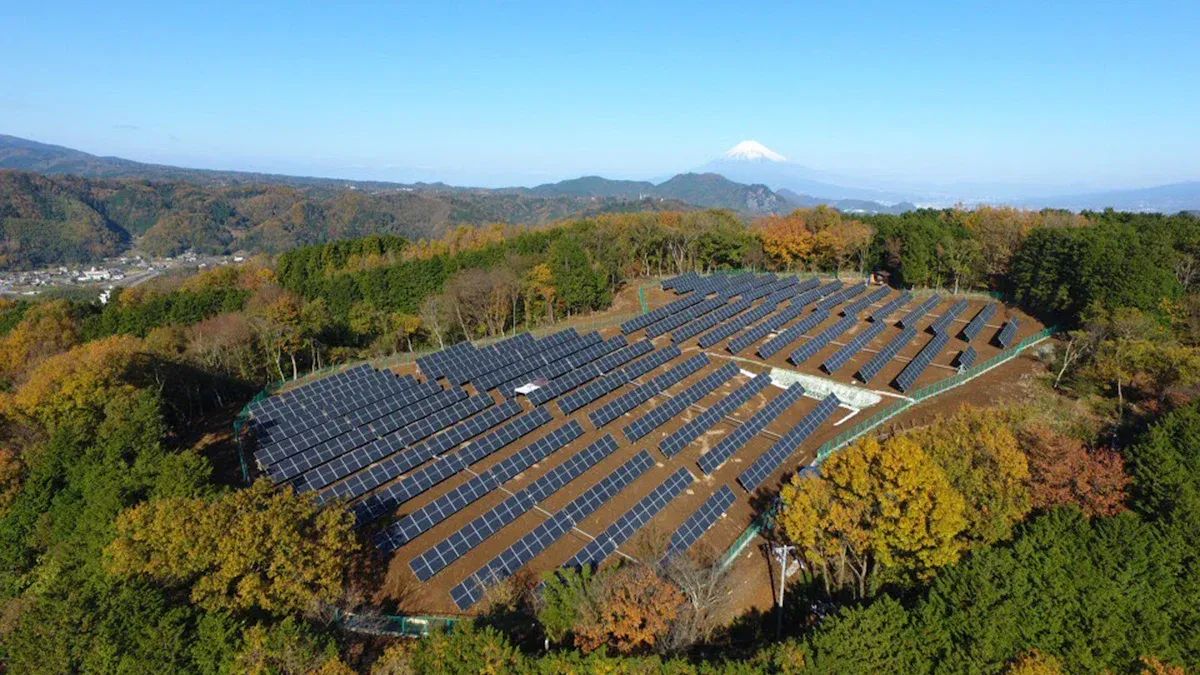
Asia has the most energy workers. China has the most solar jobs. More than 2.2 million people work in solar in China. Asia has 3.8 million solar jobs. This is about one-third of all renewable jobs. East Asia makes 36% of new jobs in this field. The rest of Asia adds 28%. This means jobs are growing fast here. China’s focus on solar pv jobs helps the world’s solar pv workforce grow. If you live in Asia, you can find many job chances.
India, Africa, and the US are seeing big changes in solar. India has built 116 GW of solar power. India wants to reach 280 GW by 2030. The government helps with programs like the PM Surya Ghar Scheme and the PM Kusum Scheme. The US has more than 200 GW of solar power. Tax credits and new business ideas help make more jobs. Africa is starting to build more solar projects. This means more jobs for local people.
Some US states have fast solar job growth:
Ohio: 5% more jobs
Georgia: 4.5% more jobs
Utah: 3.5% more jobs
Texas: just over 3% more jobs
You can join this field by learning new skills. SKYLARK gives training and products to help you start working in solar.
Europe, Asia Pacific, and the Middle East have strong solar trends. In 2023, the Middle East spent $40 billion on power each year. Fifteen percent went to renewable energy. By 2035, the region wants to spend $126 billion on power. Half will go to renewable projects. This will make many new jobs.
The sector is changing quickly. If you want to work in energy, distributed solar has many chances for you. The global energy workforce needs people like you to help build a clean future.
The energy sector is growing fast. But there are not enough skilled workers. Many companies cannot find enough electricians and installers. This makes solar projects slow down or stop. Here are some main problems you might notice:
There is not enough special training for solar panel installation and hard electrical work.
Some places have more jobs than skilled workers.
Many projects get delayed because there are not enough trained workers.
Staffing agencies and workforce programs try to help, but the need keeps getting bigger.
You can see that not having enough skilled workers slows down distributed solar. Companies like SKYLARK give products and training programs. These programs teach you the skills you need for solar jobs. They also help you find work in renewable energy.
There is another problem in the energy sector. Many workers are getting older and will retire soon. Younger workers are joining, but they do not have much experience. This means you and others need more training and help to learn about new renewable energy technology.
More than half of energy workers have worked less than 10 years.
In important jobs like engineers and line workers, over 60% are new.
The sector needs to focus on training and helping new workers.
You might see that the workforce is changing. The industry needs to spend money on training and support for new workers. Ongoing training helps you learn about new power systems and get ready for jobs in distributed solar.
There are many programs and rules that help close the skills gap in energy. These programs give you the tools and knowledge to do well in solar and other renewable energy jobs.
You can also find good education programs like GRID Alternatives and the IBT 200 Program. These programs use hands-on learning and help people from all backgrounds join the solar workforce. Online training lets you learn at your own speed and get ready for industry tests.
Flexible staffing helps with changes in workforce needs.
Regional centers fix shortages in certain places.
Fast training programs teach you important skills quickly.
Career planning and teamwork between schools, companies, and governments help people get jobs for a long time.
SKYLARK helps by giving training and products to start your career in distributed solar. When you join these programs, you help fill the worker gap and support renewable energy growth.
You can see that distributed solar makes new jobs. It helps your town use clean energy. The energy field needs more skilled workers. People also need better training. You can join programs that teach you by doing real work, like SKYLARK offers. Schools, companies, and the government must work together. This helps more people get jobs in solar. As solar technology gets better, you will find more chances. You need to learn new skills to keep up with changes.
Apprenticeships and internships let you learn by working.
Vocational training and community projects help you start a job in energy.
Distributed solar means you install solar panels on homes, schools, or businesses. You use the energy right where you make it. This helps you save money and lowers pollution.
You can join training programs or apprenticeships. Companies like SKYLARK offer hands-on learning and solar products. You learn skills for installing, maintaining, or selling solar systems.
You need many workers for each step. People install panels, connect wires, and check safety. Every project needs local workers. This creates jobs in your community.
You need basic math and science. You should like working with your hands. Training helps you learn to use tools and follow safety rules. SKYLARK offers programs to help you get started.
You see the most growth in China, India, the US, and parts of Africa. These places build many new solar projects. You can find job opportunities in cities and rural areas.

